
Why Communities Actually Die
The origin story behind Outrun.la's Community Fundraising feature and why we built it before anything else.

Raphael, our co-founder, pitched me Outrun on a group run — which feels fitting. Most of our best ideas these days don’t happen in meetings. They happen somewhere around mile five.
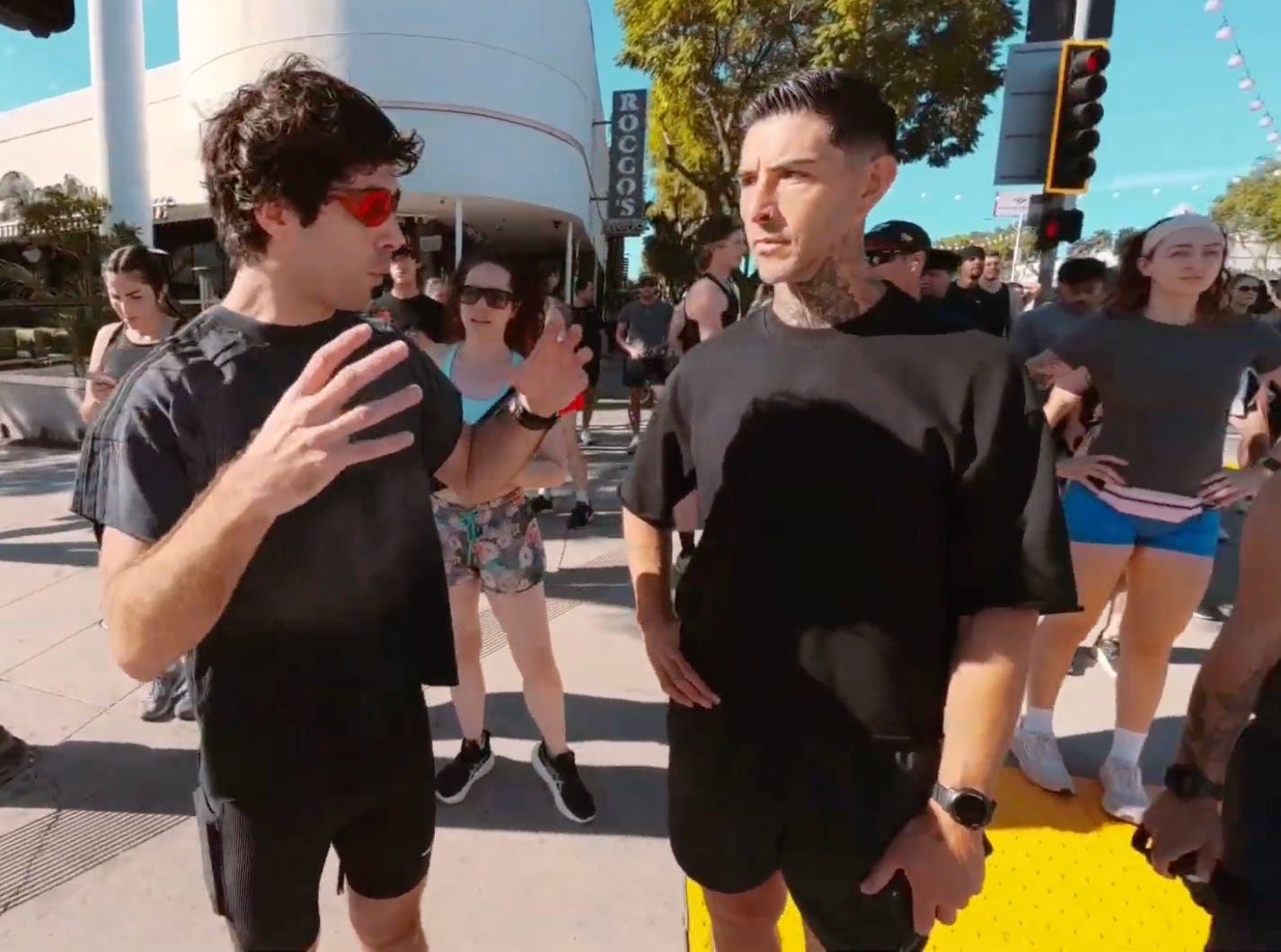
But he didn’t pitch me an app. He pointed out something that I also was experiencing: almost every run club, every community organizer, every local leader he knew was quietly funding their community out of their own pocket.
Permits. Water stations. Snacks. Race prizes. The coffee after the long run. Insurance. The little things that make a community feel like home. Someone was paying for all of it, and that someone was almost always the person who cared the most, the leader showing up an hour early to brew the coffee and update the Strava routes.
I knew exactly what he meant because I’d been living my own version of it at Mohawk Wellness Collective with our community events. I didn’t just absorb the cost of towels, coffee, equipment, and events. I absorbed the emotional cost too.
I wanted Mohawk to be accessible. I wanted people to have a place where they felt welcome regardless of whether they could afford our most involved Coaching Membership or nothing at all. So when expenses showed up, I rarely asked for help. I just found another way to make it work.
Membership dues help, but they only go so far. The reality is that many of the things that create belonging aren’t great business decisions on paper. They’re just the right thing to do. And over time, you start paying for the privilege of creating something you believe in.
Raphael’s question wasn’t, “How do we build another fitness app?” It was: what if the thing that brings people together could also help sustain the community bringing them together? That question led to Outrun.
Competition with a purpose
Imagine you’re leading a run club. Instead of asking your members to donate $20 to help cover next month’s event, you launch a PR Challenge. Everyone throws a few dollars into the pot, betting they’ll beat their own personal best. Some of the money rewards the winners. Some of it goes back to the community.
Or maybe your club challenges another club to see who can log the most miles over a month. Maybe it’s relay points. Maybe it’s vertical gain. Maybe it’s attendance. The format isn’t really the point.
The point is this: the engagement and the fundraising become the same action. Instead of asking people to support the community separately from participating in it, participation becomes the support. The next event starts helping pay for itself.
What I’m excited about
I’m not just excited for the fundraising tool but also the built in engagement.
Community leaders can’t keep asking people for donations. Even if members genuinely want to help, eventually every request starts feeling transactional and leaders feel guilty asking, members feel guilty saying no. Nobody likes that dynamic.
Challenges are different. People want to see the leaderboard. They want to know if their PR still stands. They want to check whether their club is beating the one across town. Every challenge becomes another reason to show up.
So leaders don’t just gain funding, they gain recurring engagement. Members don’t just contribute financially, they contribute by participating. Everyone wins because everyone is pulling in the same direction.
Why I’m sharing this
I could’ve written this as a feature announcement: PR Challenges. Club Battles. Community Fundraising. But features aren’t really the story.
The story is that Raphael noticed something true. Communities don’t usually disappear because people stop caring. They disappear because a handful of people care so much that they quietly absorb the cost, financially, emotionally, and physically until they can’t anymore.
The longer I spend building communities, the more convinced I become that burnout, not a lack of passion, is what kills most great local movements.
If we can build tools that help communities sustain themselves instead of depending on the generosity of a few people, maybe we don’t just create better competitions. Maybe we help more communities survive.
That’s the company we’re trying to build.
Community and competition, starting with you.
— Jacob
Outrun.la is currently in alpha, building toward a 2026 launch in Los Angeles. If you lead a club or community and this problem sounds familiar, reply to this email — I want to hear how you’ve been solving it until now.